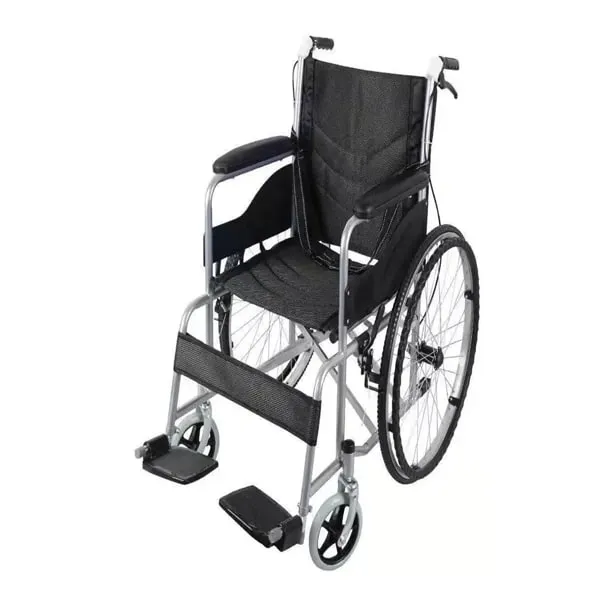
 LM-MOB-001

Product categories
Helping people get back on their feet, or around without them.
Wheelchairs (manual and electric), walkers, crutches, walking sticks and a cervical collar. Mobility aids are personal: height, weight and daily routine all matter, so we would rather ask a few questions than sell the wrong frame.
Who it is forPhysiotherapy centres, pharmacies, rehabilitation units, and individuals recovering from injury or surgery.
LM-MOB-001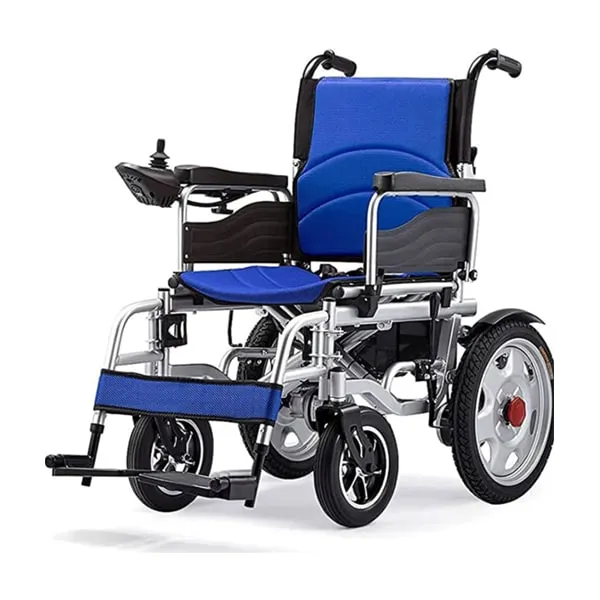
 LM-MOB-002
Model MK-6004
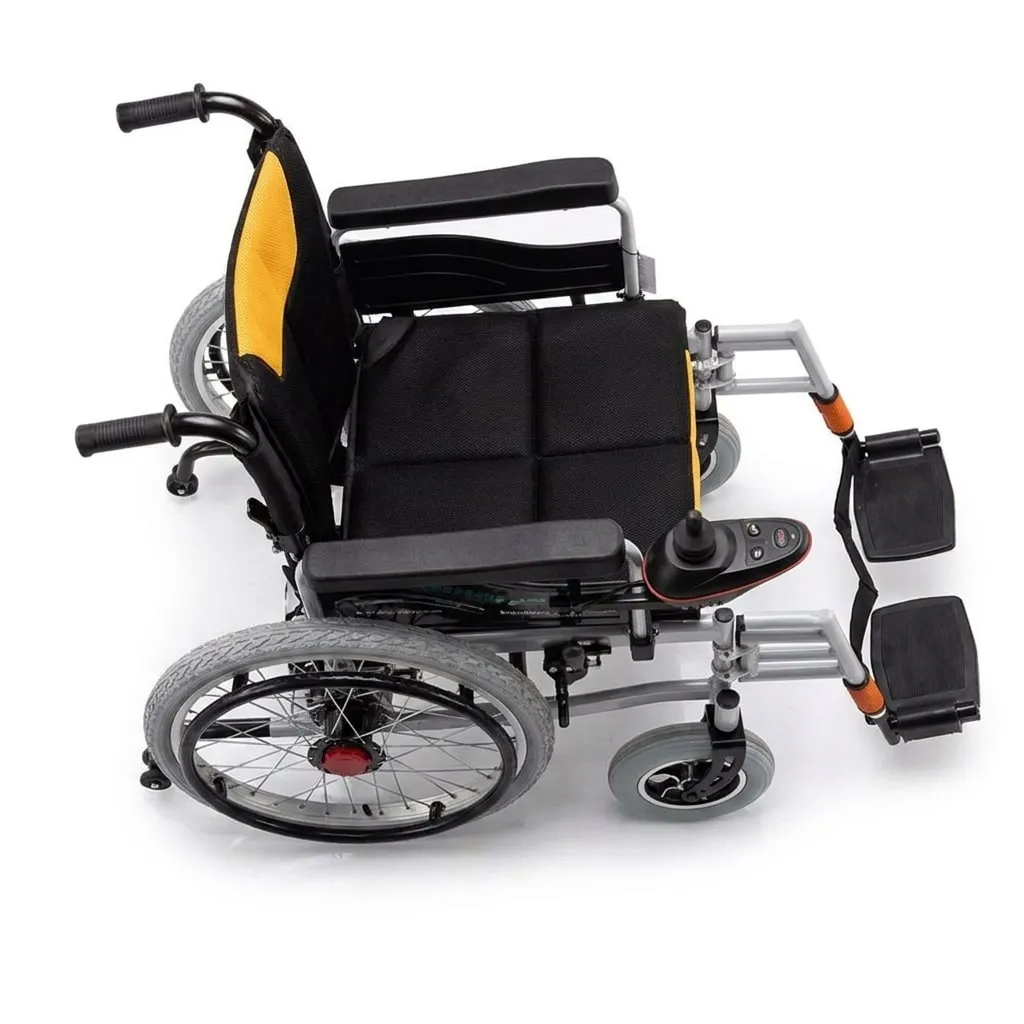
 LM-MOB-003
Model MK-6002A
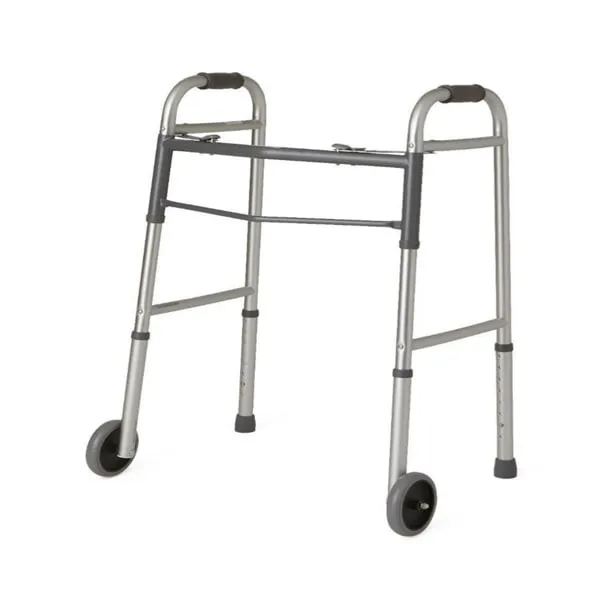
 LM-MOB-004
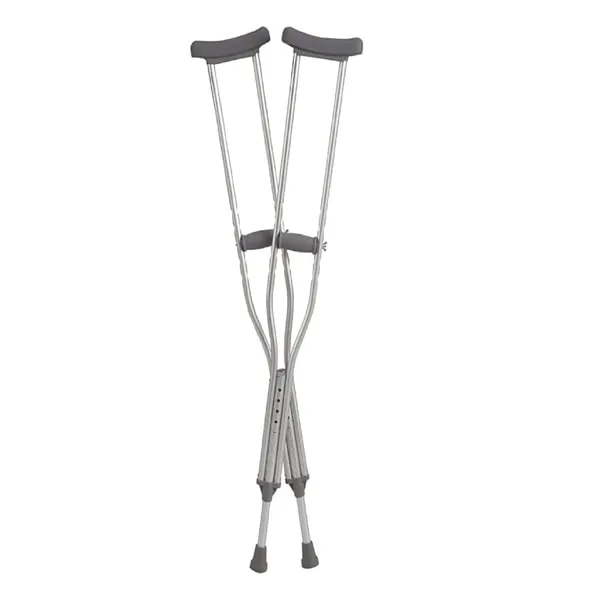
 LM-MOB-005
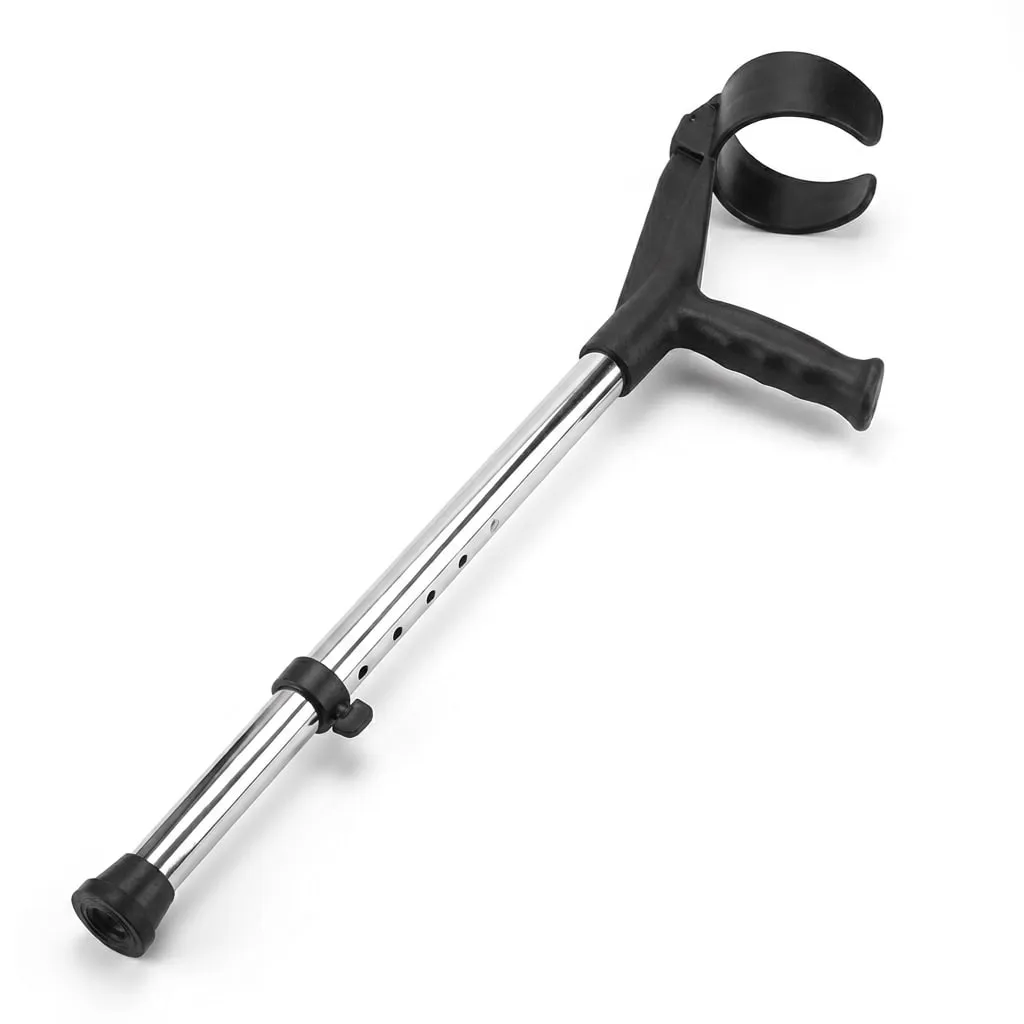
 LM-MOB-006
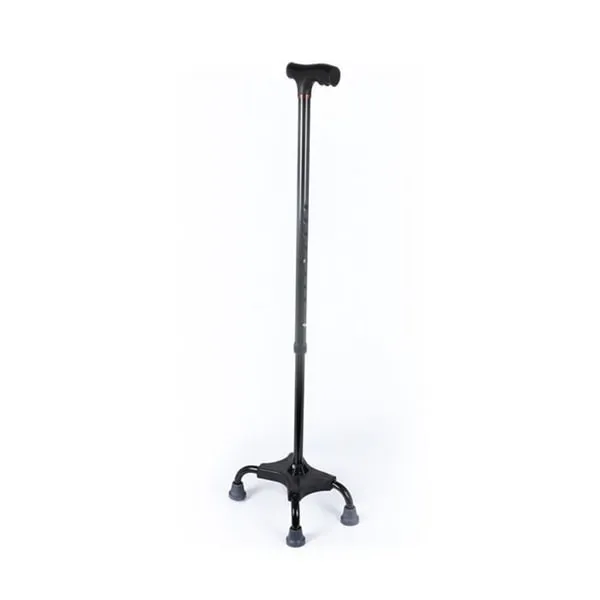
 LM-MOB-007
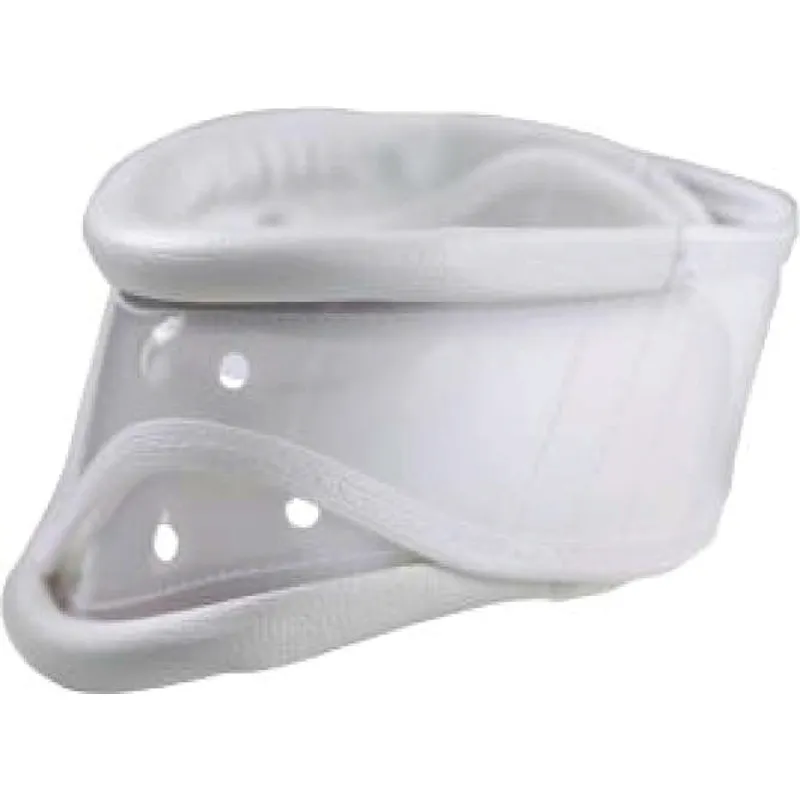 LM-MOB-008
Share the user's height, weight and hip width, the narrowest doorway they pass and where the aid will be used, indoors, outdoors or both. For wheelchairs, say whether the user can propel it or needs a carer to push, and whether it must fold for a car boot. Honest measurements matter more than any feature list.
Request a quoteThe best mobility aid is the one a person will actually use. That starts with honest measurements: height, weight, hip width, the narrowest doorway at home. People often buy a chair that is a little too wide, then find they cannot get through the bathroom door. A short phone call to talk through the person's day often avoids that.
Think about what comes next, too. A crutch that serves for a few weeks after an ankle injury is a different thing from a walker for someone with long-term balance issues. If you are unsure, ask a physiotherapist and then ask us about availability.
Contact us and we will arrange a viewing or a product video where possible. Tell us the model you are considering.
Some models fold. Check the product page specifications.
Think about who will push, how far, and on what ground. Electric helps most when the user wants independence over longer distances.
Underarm crutches are listed as a pair. Check the product page for details.