Buyer guide
Seven questions to ask before buying a patient monitor
The readings you need, the patients you treat, and how the alarms, battery and service arrangements work matter more than screen size.
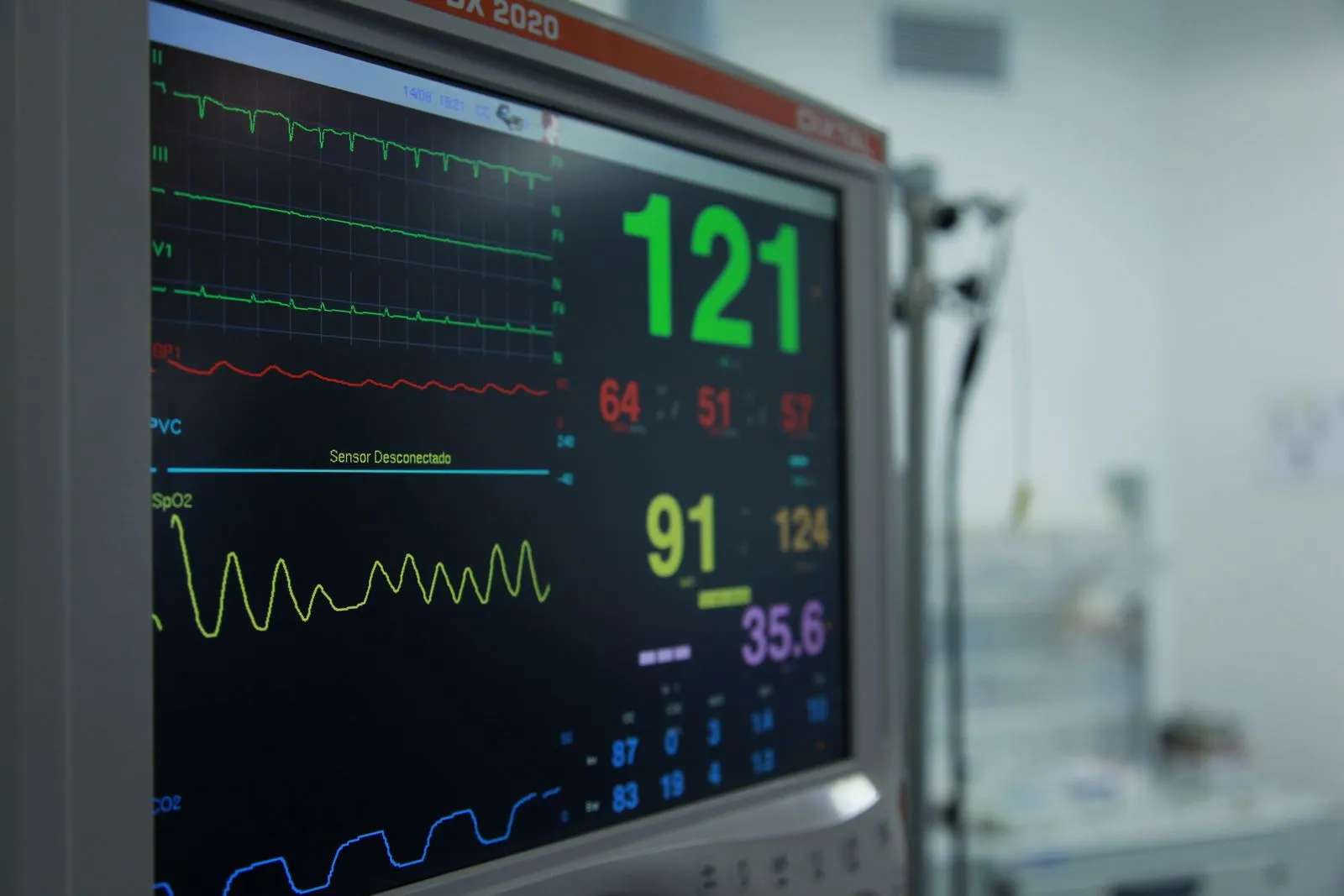
A patient monitor appears simple from the outside, yet two units that look alike can suit very different clinical settings. These seven questions will help you compare quotations on equal terms.
1. Which readings do you need?
Common choices are ECG, oxygen saturation (SpO2), non-invasive blood pressure, temperature and respiration. Additional readings add cost, so list only what the room will actually use.
2. Which patients will it be used on?
Adult, paediatric and neonatal patients require different cuffs and sensors, and some monitors need a different mode for each group. State clearly which groups you treat.
3. How do the alarms work?
Ask whether alarm limits can be set for each patient, how audible the alarm is, and how easily staff can silence it briefly without switching it off.
4. What happens when the power fails?
Check whether the monitor has an internal battery, the running time stated by the manufacturer, and whether the battery can be replaced locally.
5. Where will it be positioned?
A bedside shelf, wall bracket, trolley or rail mount each requires different fittings. Confirm that the mount is included in the quotation.
6. Which accessories are included?
Cables, cuffs, probes and electrodes wear out with use. Ask what is supplied with the monitor and what the replacement parts cost.
7. What support is available?
Request the manual, the warranty terms and a named contact for faults. A clear answer before purchase is a good indicator of the support you will receive afterwards.
See the monitoring range