Buyer guide
Equipping a hospital ward: where to start
A sensible order of work, from beds and bedside furniture to monitoring, infusion and consumables, keeps a ward fit-out on schedule and within budget.
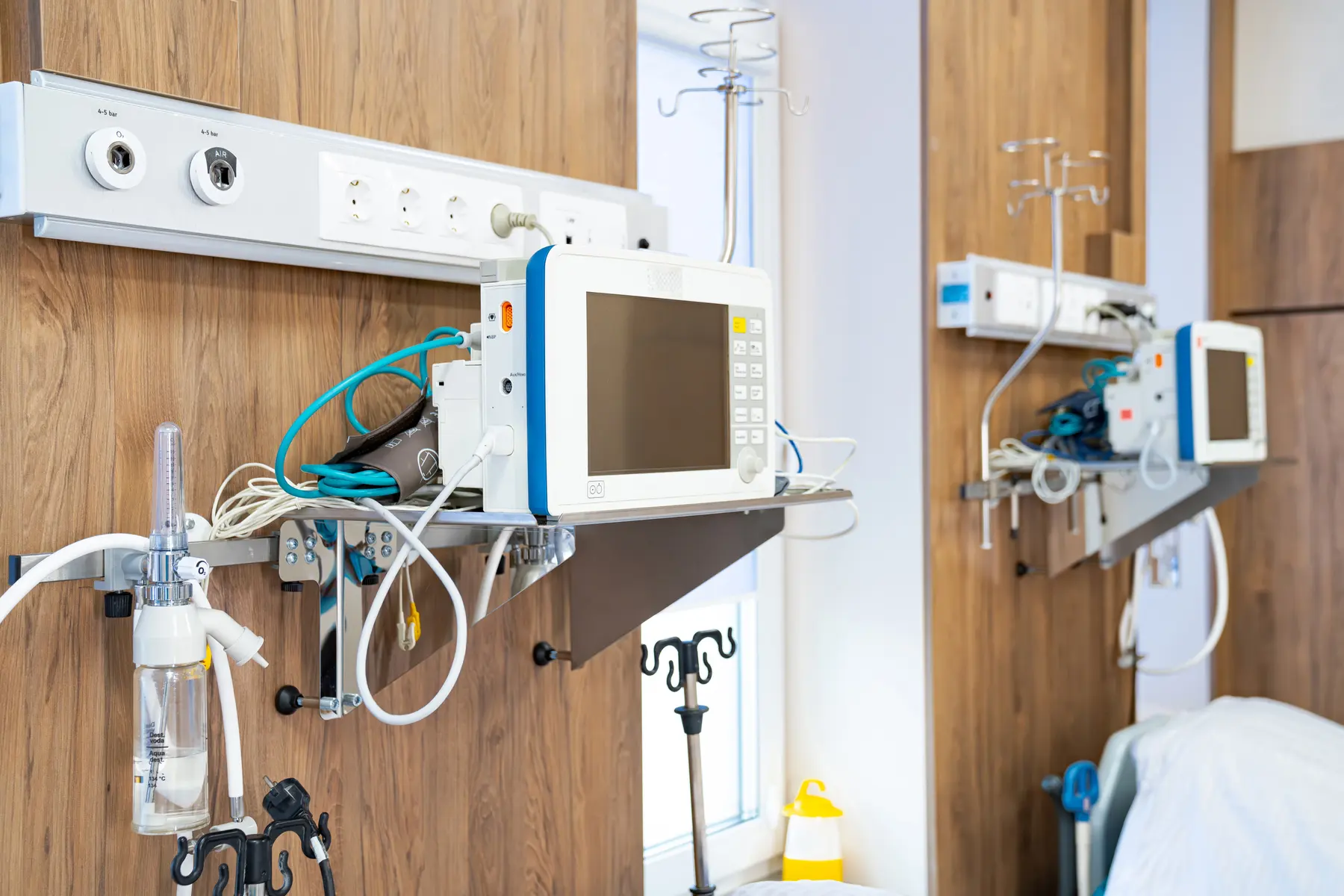
Fitting out a ward involves a large number of items from several product families. Ordered in the wrong sequence, they lead to delays, returns, or equipment that does not suit the room. The order of work below is a practical starting point for a new ward or a refurbishment.
1. Decide the number and type of beds
Begin with the number of beds the ward must hold and the level of care it will provide. Choose between manual and electrically adjustable beds, and decide whether side rails, drip-stand holders and mattresses are included. Because every other item is sized around the bed, this decision should be made before any other order is placed.
2. Add bedside furniture
Bedside cabinets, over-bed tables and visitor chairs make a room usable. Check their heights and widths against the beds you selected so that tables slide under the bed and cabinets do not block access for staff. Surfaces should be smooth and easy to disinfect.
3. Plan monitoring and infusion
Decide which beds need a patient monitor and which need infusion pumps and stands. These requirements depend on the patients the ward expects to receive, so confirm them with the clinical team before ordering. Allow for power sockets and mounting points at each bed.
4. Add trolleys and everyday equipment
Dressing trolleys, medicine trolleys and instrument tables are in use throughout the day. Select them with a finish consistent with the rest of the ward, with lockable drawers where medicines are stored and castors suited to the floor surface.
5. Stock the consumables
Finally, order gloves, dressings, tapes and other consumables so that the ward opens with a full store. Agree pack sizes and a regular reorder schedule at the outset; see our guide to restocking consumables for a simple method.
See beds and patient care