Buyer guide
Hospital beds: manual, crank or motorised?
Choosing a bed is really choosing how much of the work the bed does. The answer depends on how often staff reposition patients and how independent those patients are.
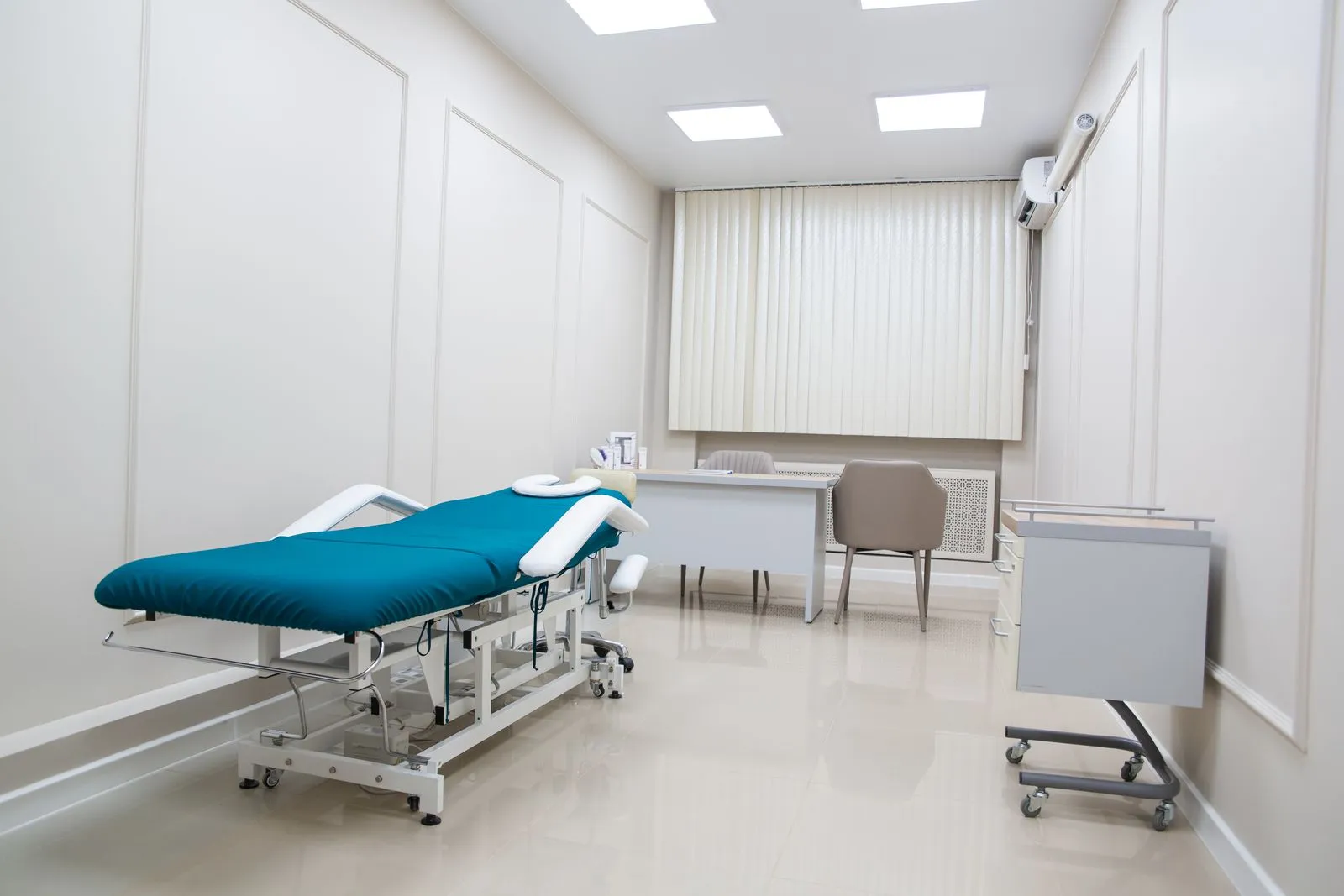
A hospital bed is the one piece of equipment every patient uses all day. It supports the patient, helps staff with lifting and positioning, and sets the pace of daily care on the ward. A short, honest look at how your ward works will tell you which kind of bed to buy.
Start with how much work the bed should do
A manual bed with cranks is simple, robust and inexpensive to keep. A motorised bed lets the patient change position alone and spares staff a good deal of lifting. If most patients are independent, a manual bed is often enough. Where care is intensive, motors can save a lot of staff time.
- Manual: crank-adjusted, simple to maintain, suited to independent patients.
- Two-crank: adjusts the back and knee sections by hand, a middle option for general wards.
- Fully electric: motors adjust back, knee and height, suited to intensive care and long stays.
Clinics and treatment rooms
In a clinic or treatment room the bed is usually an examination bed: a flat, sturdy couch for examinations and minor procedures, or one with an adjustable back rest. Choose the height range and adjustment that suit the examinations you perform most, and check that the couch fits the room with space for staff to work around it.
Plan what goes around the bed
Think about the mattress, the bedside cabinet, the over-bed table and, where patients need one, a commode chair. For long stays, ask early about a pressure-relief mattress. Ordering these together makes it easier to check that everything works in the same room.
Check the clinical requirements
- The patient weight range the bed must support.
- The ward type, for example general or intensive care.
- Side rails, weighing and an X-ray translucent platform, if you need them.
Measure before you order
A bed has to get from the delivery point to the ward and then fit beside the wall, the cabinet and the equipment around it. Measure the doors, lifts and corridors on the route, and the space beside the bed in each room, and share the sizes with your supplier.
See beds and patient care